6 common myths about counselling

Reaching out for counselling can feel like a big step. For many people, it’s not the idea of support that feels difficult—it’s the assumptions about what counselling is, who it’s for, and whether it will actually help.
In rural Alberta, privacy concerns, long travel distances, and the “just push through it” mindset can all make it harder to reach out. Counselling, however, is often much more flexible, accessible, and practical than people expect.
Here are some of the most common misconceptions—and the reality behind them.
Myth 1: Counselling is only for people in crisis
You don’t need to be in crisis to benefit from counselling. Many people seek support for everyday challenges like stress, anxiety, burnout, relationship issues, self-confidence, parenting struggles, or life transitions.
Counselling can also be preventative. It can help you build coping tools and improve emotional well-being before things feel overwhelming
Myth 2: I should be able to handle this on my own
This belief is especially common in rural communities, where independence, self-reliance, and resilience are often deeply valued. But counselling is like getting the right tools for the job at hand.
Counselling is not about replacing your strength—it’s about supporting it. Talking with a trained professional can help you gain clarity, develop coping strategies, and build the tools and skills you need to face the challenges you’re going through.
Myth 3: Counselling doesn’t really work
Counselling isn’t about someone “fixing” your life or “curing” you. It’s about building practical tools, strategies, and skills that actually help you navigate the challenges life inevitably brings.
Through counselling, people notice improvements in how they cope, communicate, and manage stress. Progress can look different for everyone, but meaningful change is possible when the process and counsellor are a good fit.

Myth 4: A counsellor won’t understand my situation
While friends and family can offer meaningful support, counsellors bring a trained, objective perspective. They’re not there to judge or tell you what to do, but to listen carefully, help you make sense of what you’re experiencing, and support you in finding your own way forward.
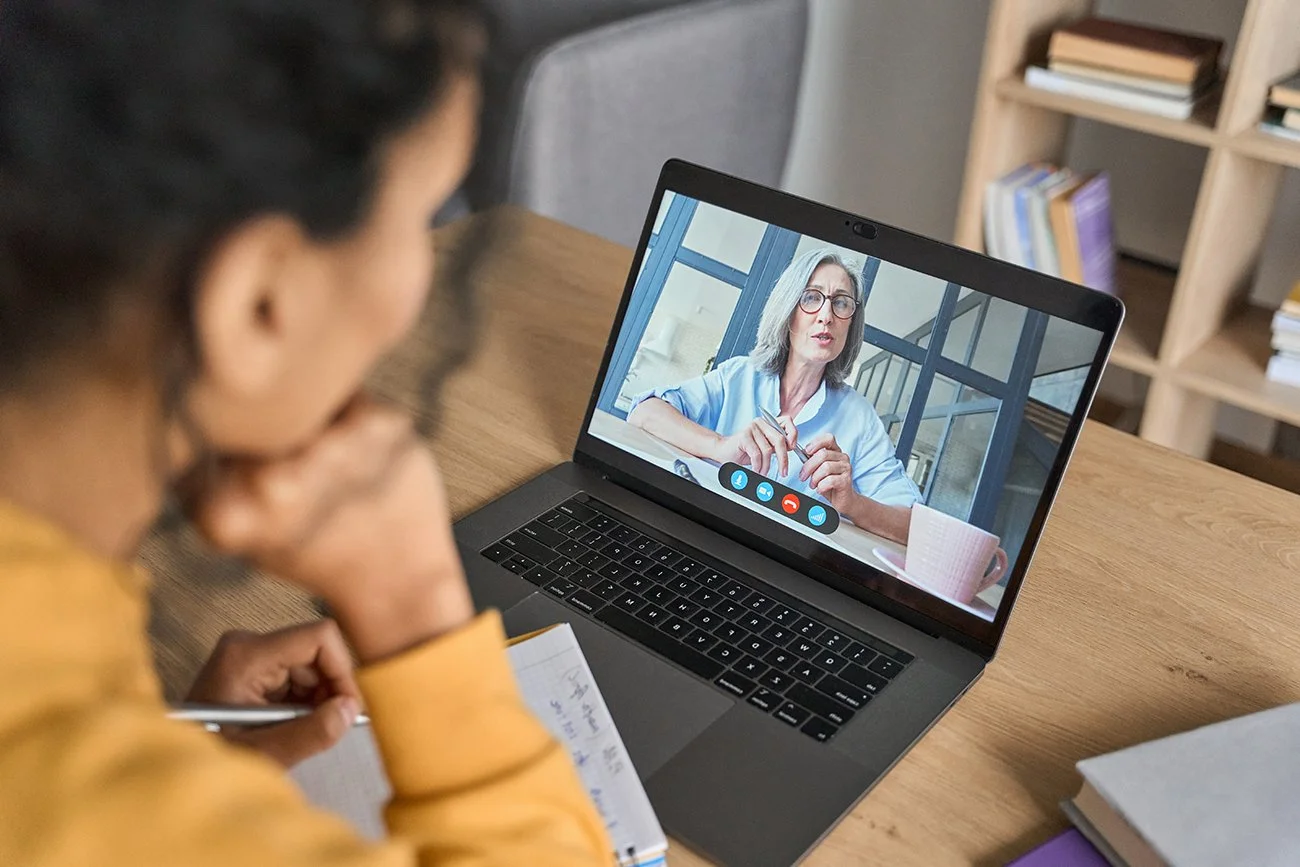
And if you’re in a rural or remote community, online counselling can make it easier to connect with a professional who understands the broader realities of rural Alberta while still taking the time to understand your unique situation and lived experience.
Myth 5: It takes forever and costs too much
Counselling is not always long-term. Some people benefit from just a few sessions focused on specific goals, while others choose ongoing support.
Cost is a valid concern, but with Counselling Alberta there is no financial barrier. Regardless of your ability to pay, you can access the level of care you need. Online counselling can also eliminate travel time and related expenses—an important consideration for those outside urban centres.
Myth 6: Counselling is just talking about the past
While the past can be part of the conversation, counselling is not about revisiting old experiences. It’s about understanding patterns and building tools for the present and future.
The focus is always shaped by your goals—whether that’s managing stress, improving relationships, or navigating a specific challenge.
Finding the right fit matters
If counselling didn’t feel helpful in the past, it doesn’t mean it won’t work in the future. The connection between you and your counsellor plays a big role, and sometimes finding the right fit takes a couple of tries.
At Counselling Alberta there is a large team of counsellors and you can request someone who aligns with your preferences, whether that’s gender, background, area of expertise or lived experience. You have options and it’s ok to explore them until it feels right for you.
Support should feel respectful, comfortable, and aligned with what you need.
Counselling looks different for everyone. For many Albertans—especially those in rural communities—it can be a practical, accessible way to get support that fits with your daily life and helps you work through the challenges you’re facing.