
Helping your child navigate back-to-school social anxiety
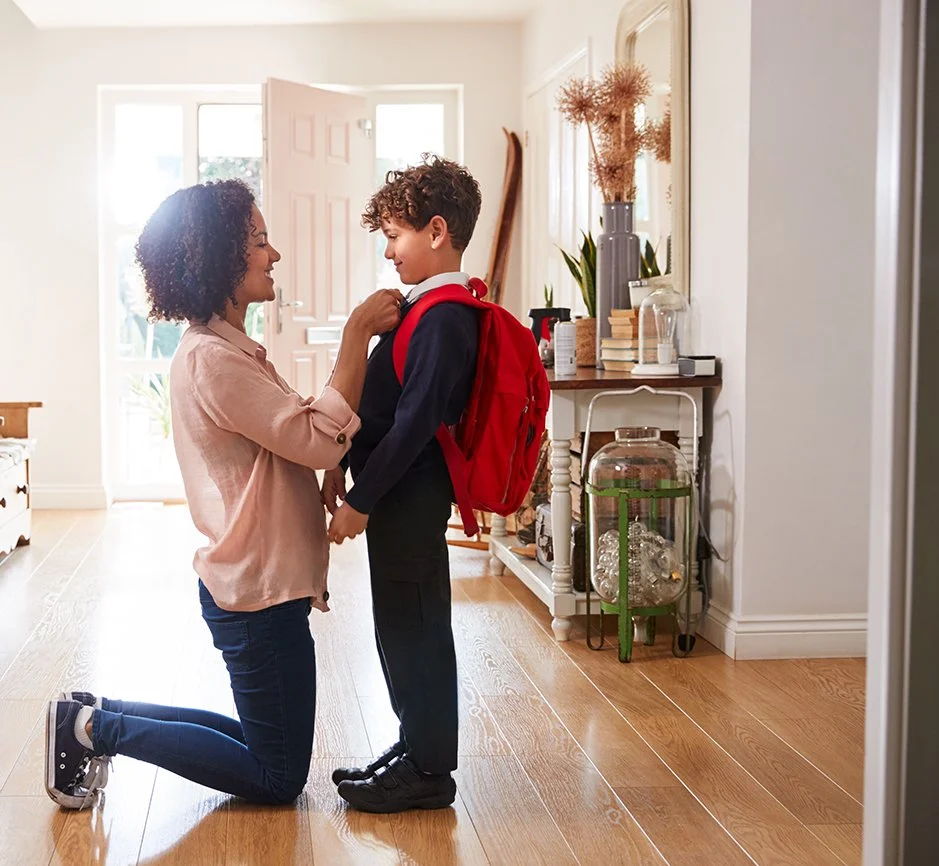
For some children, the chance to make new friends at the start of the school year is something they look forward to. For others, it's one of the biggest sources of back-to-school anxiety.
Your child might be fixated on where they’ll sit at lunch or whether anyone will want to play with them, but unable to express those worries clearly.
Instead, they might complain of a sore stomach, become quiet when you ask about their day, or refuse to go to school.
Being anxious about going back to school and making new friends is normal, and although you can’t control how every interaction goes at school, you can help your child understand their anxiety and take smaller steps toward connecting with others.
Notice how anxiety shows up
Children rarely have the words to identify the source of their worries or anxiety.
They might avoid group activities or stay close to an adult during recess. Some children hold everything in until they get home and then seem unreasonably irritable or sad.
Before focusing on the behaviour itself, consider what might be behind it.
You could say, “You seem quieter after school lately. I wonder if something has been making you feel worried.”
Your child might not answer right away. Showing that you’re there to talk without pushing them can make it easier for them to open up later.
Validate the fear before offering advice
When your child is anxious, it can be tempting to try and offer a quick fix or reassurance and say something like, “Just go talk to someone,” or, “There’s nothing to worry about.”
Although these responses are meant to reassure, they’ll likely leave your child feeling misunderstood. Begin by acknowledging how the situation feels to them.
You might say, “Recess probably feels stressful when you don’t know who you’ll play with.”
If your child says, “Nobody likes me,” respond to the feeling underneath it instead.
“It sounds like you felt left out today.”
Feeling understood can help your child settle before thinking about what the next steps are.
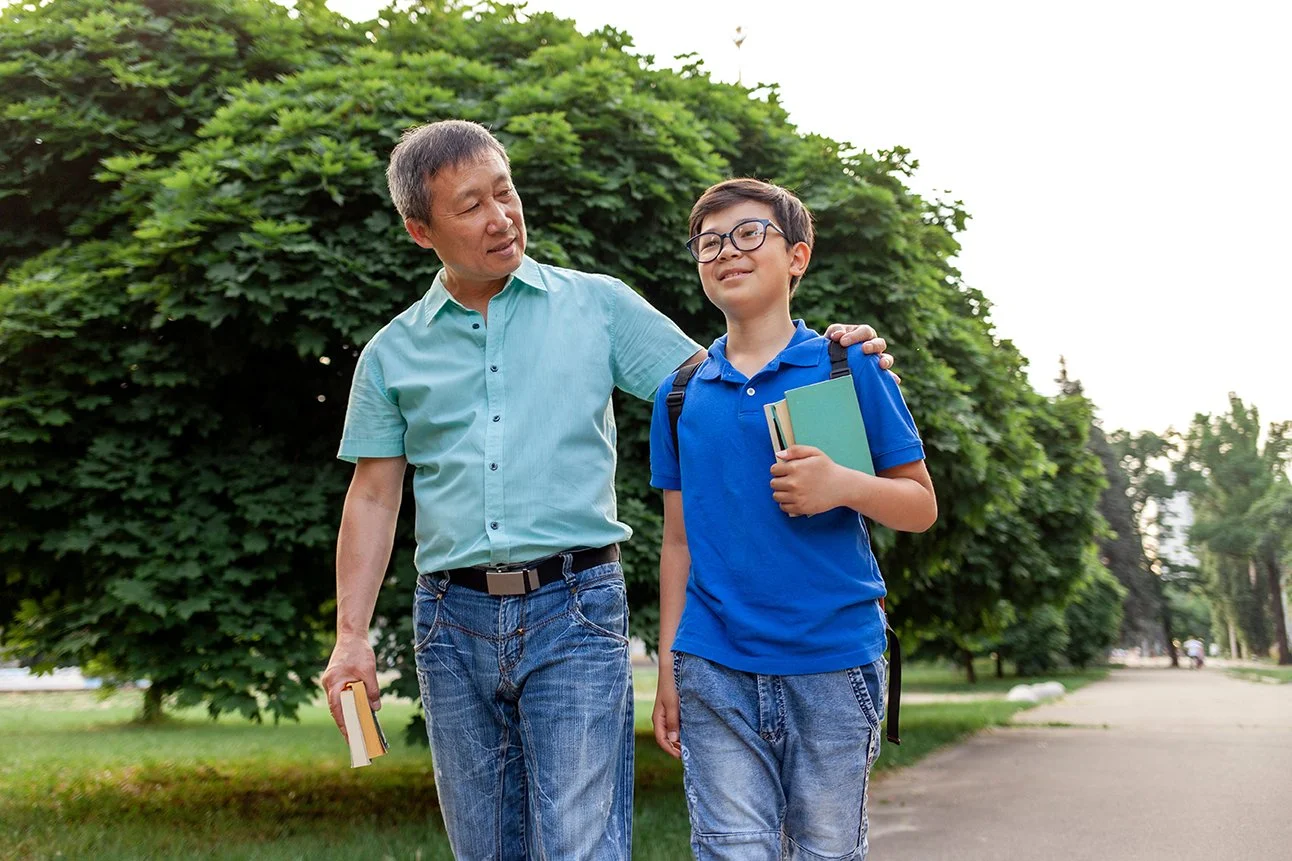
Make social situations feel smaller
Telling an anxious child to “make friends” can make an already difficult situation feel even bigger.
Instead, help them choose one small step. This could be making a goal of saying hello to a classmate or asking, “Want to play with me?”
You can practice at home by taking turns saying the words out loud. Keep it relaxed and playful so it doesn’t feel like something they have to perform perfectly.
Remind your child that the goal isn’t necessarily to make a whole bunch of friends, but to speak up even when feeling scared or nervous.
Help them recover from rejection
Being told no can feel especially painful when your child is already afraid of rejection.
Give them time to feel disappointed before wondering together why the other child might have responded that way.
Maybe they already had plans, were feeling shy, or simply weren't ready to play. We can't know for sure, but considering other possibilities can help your child see that another child's response isn't necessarily about them.
Once they’re calmer, help them separate one interaction from what it says about them.
One child saying no doesn’t mean nobody wants to be their friend.
You might say, “Even though it didn’t go the way you hoped, asking was still brave.”
Your child doesn’t need to pretend rejection doesn’t hurt. Knowing that they can feel hurt, recover, and try again when they’re ready is what’s important.

Bring the school onto your team
If your child is regularly feeling alone or social situations are causing ongoing distress for them, speak with their teacher.
A teacher might notice patterns that are difficult to see at home. They could create natural opportunities for connection by pairing your child with a classmate or helping them join a smaller activity.
Let your child know that asking an adult for help doesn’t mean something is wrong with them. It’s normal to ask for help, and it’s one way of making school feel more manageable.
When additional support may help
Some nervousness is expected at the beginning of a new school year. Pay attention if the fear continues, becomes more intense, or begins affecting their attendance, sleep, or activities they usually enjoy.
Working with a counsellor can give your child a safe place to understand their anxiety and practice coping skills they’ll understand. Parents can also learn how to support their child without dismissing their fears or allowing anxiety to control their behaviour.
The goal is not to turn your child into the most outgoing person in the room. They might just need a little help feeling less alone and becoming capable of navigating social situations with more confidence.
If you’re looking for more resources to help your child with the back-to-school transition, visit our Counselling for children page.
Information for this blog was provided by registered social workers Aja Manning and Nicole Ward. Learn more about our counsellors.